Some people just love food. The taste, flavor, sweetness, etc. But sometimes we just eat so much that suddenly we have health problems. Problems like high-pressure blood, diabetes, and cholesterol.
Cholesterol is a substance we can find in most of the food we daily eat. Cholesterol is not bad, is just bad when we eat it in excess. Cholesterol is not just a problem, it causes more problems. When you have an excess of cholesterol, most of  the times you will have high-pressure blood, and this can cause you a heart attack and other cardiac problems.
There are many ways to reduce cholesterol. The most common way is doing exercise. Cardiovascular exercise like running, jugging, aerobics, spinning,etc. Helps you to reduce cholesterol and helps your circulating system. Depending on your age, is the type of exercise you should do.
If you have a high cholesterol problem, you need to do other things to lower your cholesterol, exercise can help you, but you need to eat healthy too. Here is a list of foods you can eat to lower your cholesterol.
Oatmeal and oat bran
Oatmeal contains soluble fiber, which reduces your low-density lipoprotein (LDL), the “bad” cholesterol. Soluble fiber 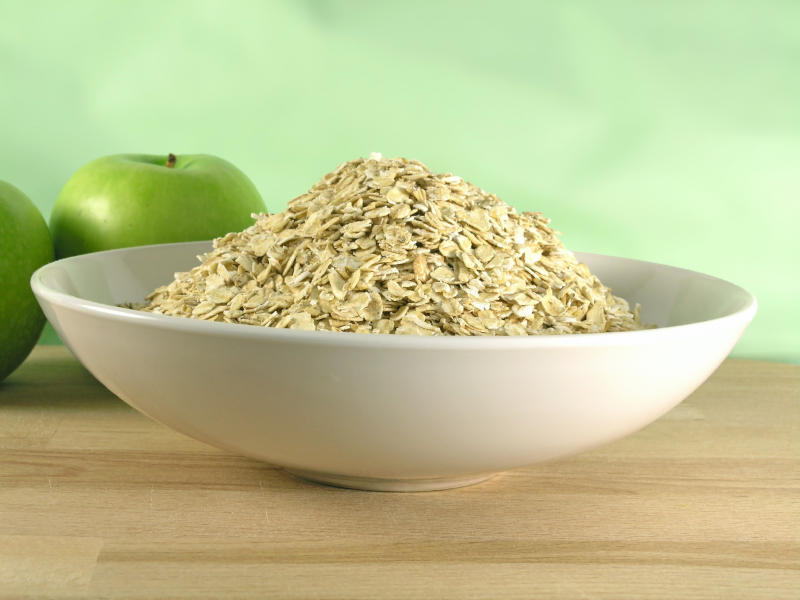 is also found in such foods as kidney beans, apples, pears, psyllium, barley and prunes.
Soluble fiber appears to reduce the absorption of cholesterol in your intestines. Ten grams or more of soluble fiber a day decreases your total and LDL cholesterol. Eating 1 1/2 cups of cooked oatmeal provides 6 grams of fiber. If you add fruit, such as bananas, you’ll add about 4 more grams of fiber. To mix it up a little, try steel-cut oatmeal or cold cereal made with oatmeal or oat bran.
Walnuts, almonds and more
Studies have shown that walnuts can significantly reduce blood cholesterol. Rich in polyunsaturated fatty acids, walnuts also help keep blood vessels healthy and elastic.
Almonds appear to have a similar effect, resulting in a marked improvement within just four weeks.
Fish and omega-3 fatty acids
Rese arch has supported the cholesterol-lowering benefits of eating fatty fish because of its high levels of omega-3 fatty acids. Omega-3 fatty acids also help the heart in other ways such as reducing blood pressure and the risk of blood clots. In people who have already had heart attacks, fish oil — or omega-3 fatty acids — significantly reduces the risk of sudden death.
Doctors recommend eating at least two servings of fish a week. The highest levels of omega-3 fatty acids are in mackerel, lake trout, herring, sardines, albacore tuna and salmon. However, to maintain the heart-healthy benefits of fish, bake or grill it. If you don’t like fish, you can also get omega-3 fatty acids from foods like ground flaxseed or canola oil.
Olive oil
Olive oil contains a potent mix of antioxidants that can lower your “bad” (LDL) cholesterol but leave your “good” (HDL) cholesterol untouched.
The Food and Drug Administration recommends using about 2 tablespoons (23 grams) of olive oil a day to get its heart-healthy benefits. To add olive oil to your diet, you can saute vegetables in it, add it to a marinade, or mix it with vinegar as a salad dressing. You can also use olive oil as a substitute for butter when basting meat.
Foods fortified with plant sterols or stanols
Foods are now available that have been fortified with sterols or stanols — substances found in plants that help block the absorption of cholesterol.
Margarines, orange juice and yogurt drinks fortified with plant sterols can help reduce LDL cholesterol by more than 10 percent. The amount of daily plant sterols needed for results is at least 2 grams — which equals about two 8-ounce (237 milliliters) servings of plant sterol-fortified orange juice a day.


No comments:
Post a Comment